
The One Ingredient That Makes Store-Bought Soup Taste Homemade
FOODCOOKINGFEATURED
Essence & Style Team
12/29/20253 min read
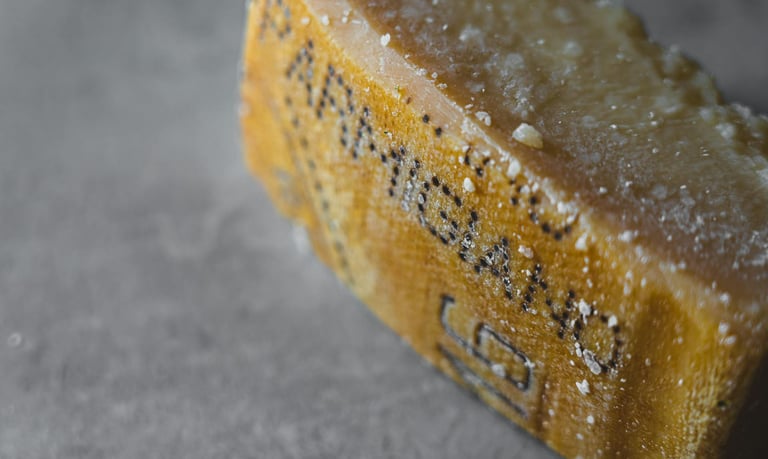
When added to a simmering soup, Parmesan rinds release savory compounds that enrich the broth, lending depth and body without making the dish overtly cheesy.
There’s no shame in store-bought soup. It’s reliable, comforting, and often exactly what a busy evening calls for. A carton of tomato or a tub of lentil soup is a practical choice, not a compromise. It gives the flexibility to feed a household quickly, or to enjoy a warm meal when time is short.
Yet store-bought soup can sometimes feel a little flat. The flavors are gentle, the textures smooth, and it warms you without ever surprising you. It’s satisfying, but it doesn’t linger in the way a homemade simmered pot does. A single, humble ingredient, often overlooked in home kitchens, can transform these soups, giving them the depth, warmth, and complexity of a dish that’s been carefully tended on the stove.
Why store-bought soup often falls flat
The charm of homemade soup is in its layers: the slow melding of vegetables, the gentle extraction of flavor from broth or stock, the way aromas deepen as it simmers. Store-bought soups, by contrast, offer comfort and convenience, but sometimes at the cost of that lingering richness. The flavors can feel restrained, the mouthfeel slightly muted, leaving a soup that’s comforting but not memorable.
That’s where a simple enhancement can make all the difference. With one thoughtful addition, a soup that was already satisfying becomes layered, aromatic, and more engaging to the senses. It is a small step that elevates everyday eating into something exceptional.
The one ingredient chefs use to fix it
Parmesan rinds, often discarded after slicing a block of cheese, are treated in kitchens as quiet, powerful flavor tools. Added to a simmering soup, they release savory compounds that enrich the broth, lending depth and body without making the dish overtly cheesy. This small addition creates flavors that feel slow-cooked and carefully layered, mimicking the complexity of a stock that has been simmering for hours.
Chefs favor this technique for its subtlety. It amplifies the natural flavors of the soup without overpowering them, making it ideal for delicate bases, such as bright tomato, earthy beans, or light vegetable broths. The Parmesan rind quietly elevates the dish, turning a convenient weeknight meal into something that feels thoughtfully prepared.
What a parmesan rind actually adds
The magic is in the glutamates naturally present in the cheese, which create umami, the savory note that makes flavors feel layered and complete. As the rind softens, it imparts gentle saltiness, faint nuttiness, and a richer, fuller mouthfeel. These qualities combine to transform ordinary soup into something that tastes intentional and satisfying.
Beyond flavor, there’s also aroma. As the rind simmers, it releases subtle fragrances that mingle with the other ingredients, creating a welcoming scent that fills the kitchen. It is the kind of fragrance that makes a simple soup feel lovingly tended.
How to use parmesan rinds without overthinking it
Add one Parmesan rind to the soup as it heats, and let it simmer gently for 15 to 30 minutes, stirring occasionally. Remove the rind before serving, and you’ll notice the difference immediately, a fuller, more layered flavor without extra seasoning or fuss.
The beauty of this approach is its simplicity. It works in nearly any pot with soups that are reheating or just coming to a gentle simmer. It is a small act that rewards attention rather than technique, letting home cooks achieve subtle, sophisticated results with minimal effort.
What it works best in
Vegetable, bean (including the Ikarian chickpea soup), and tomato-based soups are ideal canvases for a Parmesan rind. Lentil or minestrone soups gain body and depth, while lighter broths take on a more substantial, layered quality. Even cream-based soups benefit, as the rind gently rounds out the flavors, adding richness without introducing overt cheesiness.
It is also forgiving in quantity. One piece per pot is usually sufficient, but larger pots can accommodate more, making it adaptable for families or meal prep. Its versatility invites experimentation, giving home cooks the quiet satisfaction of elevating a simple soup.
Homemade cooking is about harmony, depth, and attention, even when time is short. The Parmesan rind enhances flavors, adds gentle richness, and gives ready-made soup the impression of care. It enriches aroma, taste, and texture simultaneously, creating a quietly elevated experience.
This is what separates cooking from assembly. Convenience doesn’t preclude craft. With one modest ingredient, a weeknight soup can feel as though it simmered slowly for hours, turning an ordinary meal into a small, satisfying ritual. Store-bought soup becomes comforting, layered, and utterly enjoyable, the kind of dish that tastes as though it was made with intention.