
How To Bake Less-Sweet Holiday Desserts With Bigger Flavor
FOODFEATUREDTASTING NOTES
Essence & Style Team
12/4/20254 min read

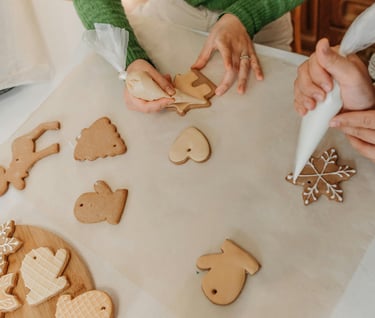
Discover how a lighter touch with sugar and a richer palette of spices, nuts, and citrus is reshaping holiday baking into something more elegant, modern, and deliciously aromatic.
Holiday baking is having a refresh. Instead of towering sweets loaded with sugar, this season’s defining treats lean toward layered flavor, natural richness, and ingredients that feel considered rather than overwhelming. It’s a shift toward desserts that taste elegant, not austere, and it’s resonating with home bakers who want something festive but not fussy.
At its heart, the trend isn’t about denying sweetness. It’s about giving space to everything else, spices, citrus, nuts, browning, toasted edges, and the quiet complexity you only get when sugar isn’t doing all the work. When you reduce sweetness just slightly, every other note becomes easier to appreciate. The result is a holiday table that feels both modern and deeply comforting.
Why many bakers are reducing sugar this holiday season
A lighter hand with sugar is becoming the easiest way to refresh classic cookies and cakes without changing their identity. A small reduction gives the palate room to register flavor more clearly, especially warm spices, nuts, and anything citrus-based. It’s a simple adjustment that creates desserts that taste more intentional.
Sugar does more than sweeten. It draws moisture, helps browning, and affects how tender a crumb becomes. But many standard recipes are designed to be sweeter than they need to be, which means there is wiggle room. Small adjustments, typically 10 to 20 percent, can make a noticeable difference without affecting structure.
Cutting too much sugar can lead to paler color or a drier texture, but staying within that modest range keeps cookies crisp at the edges, cakes soft, and bars pleasantly chewy. What changes most is the flavor balance. Spices read more clearly, nutty aromas surface, and fruit tastes brighter. Even familiar recipes feel newly refined, which is what makes this approach so appealing for the holidays.
How gentle sweetness brings out more aroma and complexity
When the sweetness steps back, the aromatics take the lead. The holiday flavors people love, cinnamon, clove, nutmeg, citrus zest, and toasted nuts, become more defined because they’re not competing with heavy sugar. This doesn’t make the dessert taste less indulgent. It simply makes it taste more layered.
The effect is especially noticeable in bakes that rely on warmth and subtlety rather than big, candy-like sweetness. A lightly sweetened ginger cookie, for example, tastes more ginger-forward. A lemon loaf with a restrained glaze reads brighter and more fragrant. And a nut-based shortbread becomes deeper and more buttery because the natural oils have room to shine.
Less sweetness also highlights textures. A crackly cookie top feels more distinct. A cake’s crumb feels silkier. The browning on the edges of a tart comes through with more toasted notes. It’s an approach that creates desserts that feel grown up without losing any of the charm.
Where the flavor is coming from: pistachio, almond, hazelnut, citrus, and cardamom
This year’s most compelling bakes rely on ingredients that taste naturally full-bodied. Instead of adding complexity through more sugar, they build it through ingredients that already carry aroma, texture, and warmth. Nuts, citrus zest, and cardamom stand out because they bring inherent richness and fragrance. They don’t need much help to feel festive.
Each of these elements works differently, nuts add depth, citrus lifts heaviness, and cardamom softens and rounds, but they share a common trait, they taste more vivid when sweetness is moderated. That’s why they’ve become essential to this new wave of holiday baking.
Pistachio, the breakthrough flavor
Pistachio is not a subtle trend this year, it is the flavor defining the moment. The meteoric rise of pistachio chocolate confections, led by the now iconic Dubai-style chocolate, has sparked such intense demand that many regions have even reported temporary pistachio shortages.
In baking, the appeal is clear. Pistachio brings a naturally sweet, buttery depth that becomes more aromatic with heat, especially when paired with vanilla, browned butter, or a touch of cardamom. Fold finely ground pistachios into a dough or batter, and they contribute flavor, texture, and a soft richness that feels instantly festive. In less sweet recipes, the nut’s character isn’t overshadowed, so its warmth registers more vividly, giving cakes and cookies a fuller, more nuanced finish.
Almond, the softest kind of warmth
Almond has always been a holiday staple, but in lower sugar baking, its floral roundness becomes more noticeable. Almond flour adds tenderness and a velvety crumb, while almond extract contributes lift without overwhelming the palate. It’s especially good in butter-forward cookies and simple cakes where richness is part of the pleasure.
Pairing almond with browned butter amplifies its warm aroma, while citrus zest keeps it from tasting too heavy. Because it carries its own sweetness, almond helps maintain balance when sugar is reduced, making it a strategic ingredient in this new style of baking.
Hazelnut, toasted and festive
Hazelnut brings depth where other nuts offer softness. Its flavor blooms when lightly toasted, becoming darker, rounder, and more aromatic. In less sweet batters, this toasted note comes through clearly and adds a sense of richness that feels both nostalgic and elevated.
Hazelnut pairs beautifully with chocolate, but for holiday baking that feels current, it works just as well with warm spices or citrus. Ground hazelnuts lend structure and a subtle crunch, making them perfect for shortbreads, biscotti, and nut-forward cakes.
Citrus zest, a brightening essential
Citrus zest is the secret to keeping holiday desserts from tasting too dense. Lemon cuts through richness, orange brings warmth, and lime adds a perfumed brightness that feels unexpectedly modern. Because zest contains aromatic oils rather than water, the flavor stays concentrated without altering texture.
In lower sugar baking, citrus becomes more prominent, balancing buttery bases and enhancing spices. A teaspoon or two can transform a simple loaf or cookie, giving it lift and clarity.
Cardamom, the spice that softens and deepens
Cardamom has become a favorite for bakers who enjoy warmth but want something more delicate than cinnamon or clove. It’s floral, gently sweet, and quietly complex. When sugar is reduced, cardamom’s depth becomes more noticeable, adding roundness without intensity.
It pairs beautifully with nut-based batters, vanilla-forward cakes, and anything featuring browned butter. For holiday baking, cardamom offers a contemporary edge, warm, aromatic, and effortlessly elegant.
Holiday baking doesn’t need to rely on excess to feel celebratory. A gentler approach to sweetness invites every ingredient to express itself more clearly, from the warmth of spices to the richness of nuts and the brightness of citrus. These desserts feel thoughtful rather than loud, festive without being overwhelming. It’s a style of baking that suits the season beautifully, offering treats that feel both modern and timeless.